Climate change
Rising temperatures
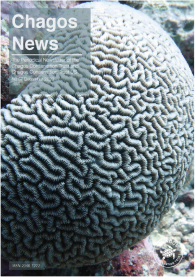
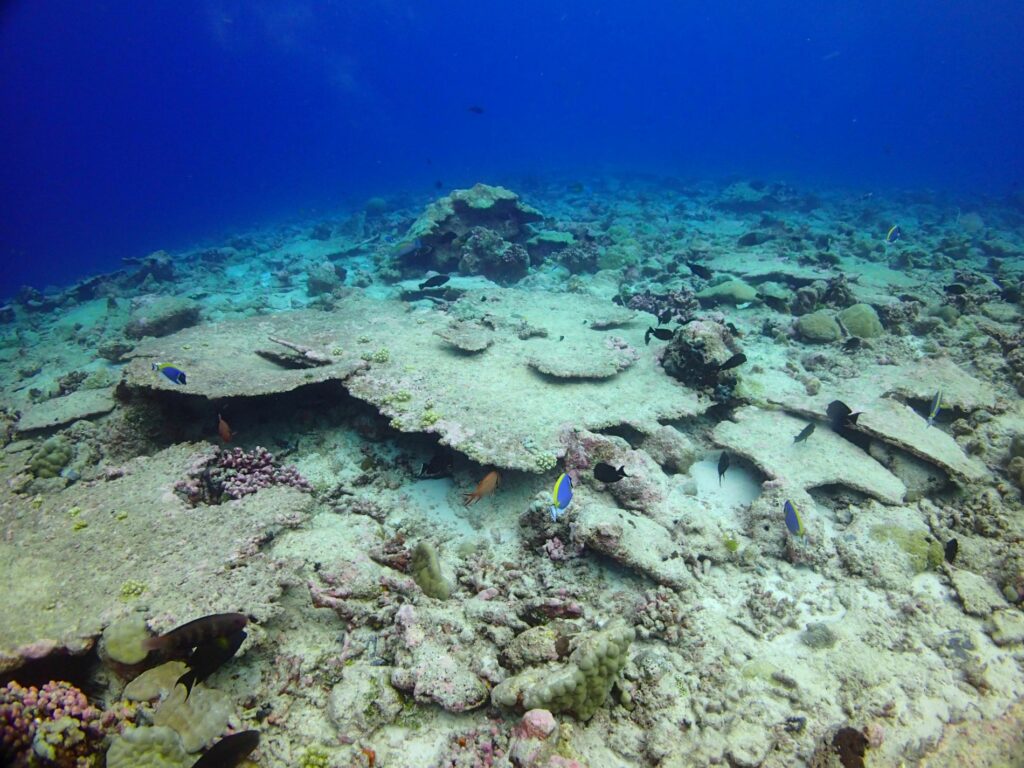
Rising global temperatures have a dramatic effect on coral reefs. Warming seawaters cause coral colonies to ‘bleach’ by affecting their symbiotic algae which is sensitive to light exposure, temperature and acidity.
The resulting depletion of corals leads to the loss of vital habitats for thousands of species.
A chance to recover
Chagos’ reefs were hit by a coral bleaching event in 1998. Remarkably, some parts of the archipelago’s reefs managed to recover rapidly.
Hit hard
However, this was followed by two more significant episodes of coral bleaching in 2015 and 2017. Caused by extreme sea temperatures, they resulted in high levels of coral death, and a reduction in how well the reefs function.
The 2015 ocean heatwave killed 60% of the hard corals at depths of up to 10 metres across the archipelago, with some species more affected than others. For example, 86% of Acropora corals, previously the most abundant, perished.
Before corals were given a chance to recover the 2017 another heatwave struck. Our data suggests that approximately 70% of Chagos’ hard corals were lost between these two bleaching events.
Invasive species
Human error
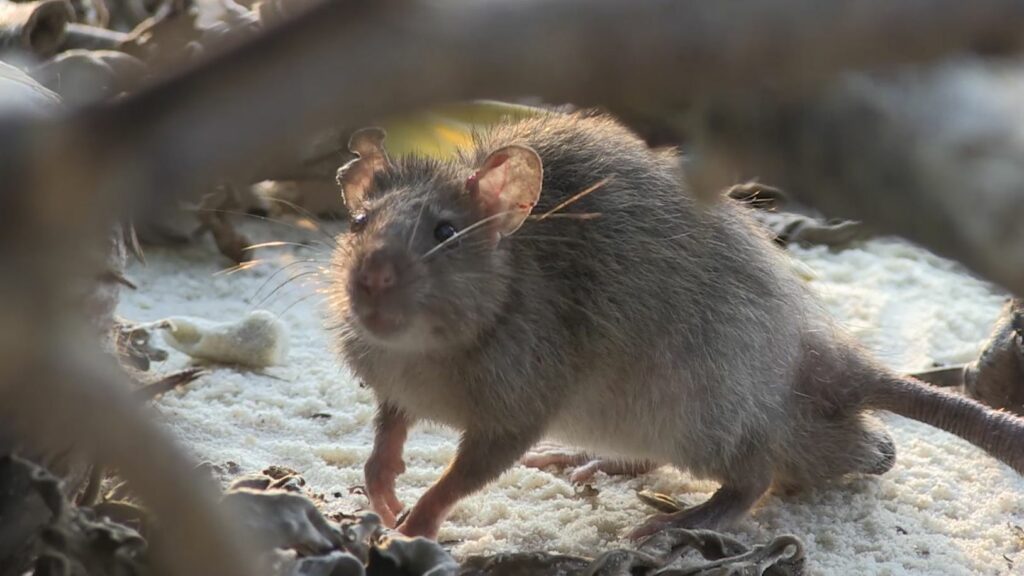
When humans first discovered the archipelago in the 1700s they introduced several invasive species including rats, and cleared native forest and vegetation for habitation and the creation of coconut plantations.
Rats!
Although coconut farming has ceased, every previously farmed island still has rats.
Rats decimate the native plants and important seabird populations by eating eggs and chicks.
Today, the 30 rat infested islands have significantly fewer, and in some cases no seabirds – particularly ground nesting species.
Rewilding for good
Our Healthy Islands, Healthy Reefs project is an ambitious and exciting large-scale rewilding – otherwise known as nature restoration – project that will reduce the damage caused by rats and loss of habitat.
Illegal fishing
Paradise almost lost
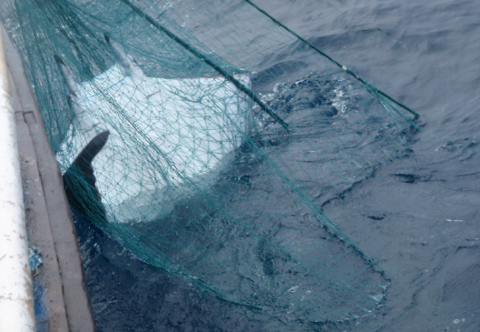
Before the designation of the Marine Protected Area, an estimated 10,000 sharks and 10,000 rays were killed annually by the licensed fishing industry. Alarmingly, Indian Ocean shark numbers have decreased by 90% over the last three decades.
Attracting poachers
While protection has ended legal fishing within its waters, the very richness of these waters, compared with the increasingly over-fished and impoverished waters elsewhere in the Indian Ocean, means that the Marine Protected Area is targeted by poachers.
This illegal fishing particularly continues to affect sharks and other important species such as tuna and grouper.
Patrolling vast waters
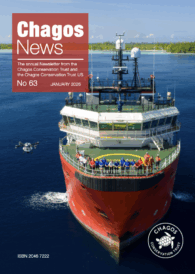
It is often hard to detect the small illegal boats, which hail from Sri Lanka and India. Patrol vessels are tasked with policing more than half a million kilometres of ocean.
But modern technology is being employed to address the problem, and a £100,000 fine can be imposed on those who are apprehended.