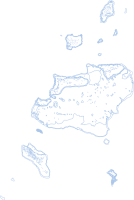
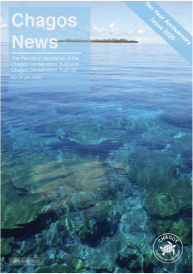
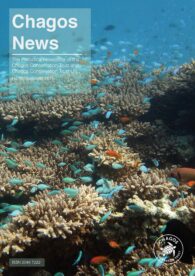
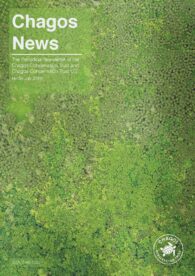
The Chagos Archipelago is a pristine nature haven bursting with life in the middle of the Indian Ocean. 1000 miles from any other landmass and surrounded by coral reefs, it consists of 55 islands – from tiny wild islets to the larger island of Diego Garcia.
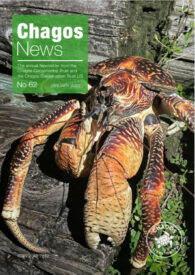
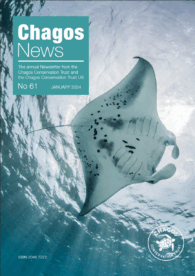
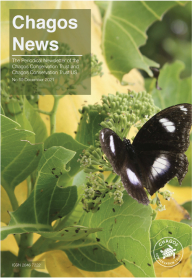
Almost entirely uninhabited, they teem with wildlife, from red-footed boobies to critically endangered hawksbill turtles, and coconut crabs to eagle rays.
A treasure to be protected
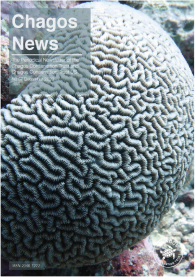
With the world’s largest coral atoll, the Great Chagos Bank, the archipelago forms one of the planet’s healthiest remaining reef systems protected under the highest level of ocean conservation: Marine Protected Area (MPA).
At 640,000 km² – twice the size of Great Britain.
This is the world’s biggest no-take zone – where no fishing or extractive activities are allowed.
Home to six times more fish than any other part of the Indian Ocean.
Rainforests of the sea
The Chagos Archipelago’s waters are an unpolluted home to six times more fish than any other part of the Indian Ocean – including the Maldives and Seychelles.
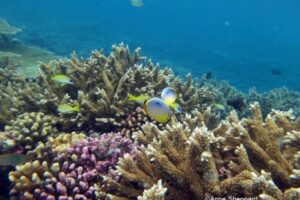
Coral reefs are known as the rainforests of the sea, thanks to the diversity of species they support. Giant shoals of shimmering tuna and grouper flit by, following by whizzing, clicking dolphins.
16 species of shark glide serenely about, as thousands of colourful fish – from butterfly to damselfish – dart, dive, and carry out their frenetic reef lives. In deeper waters, blue whales call these crystal-clear waters home.
Scientifically significant
With no tourism allowed, wildlife here is allowed to flourish undisturbed, creating one of the planet’s only truly remaining wild places. This also gives conservationists the rare opportunity to study healthy habitats, using their vital learnings to help other ecosystems around the world recover.
Our scientists have been monitoring the Chagos reefs for over 30 years, documenting their remarkable resilience in the face of climate change. This research is offering fresh hope for the future of coral reefs globally – and the millions of animals and humans that rely on them.
Help keep Chagos wild
Although the Chagos Archipelago is technically protected, it still faces the threats of invasive species, climate change, and illegal fishing.
At a time when there are so few unspoiled places left in the world, our mission to protect and conserve this globally important marine ecosystem is more important than ever.