Rewilding and restoring the Chagos Archipelago’s degraded islands
Our vision
By rewilding 30 rat-infested islands, we aim to vitally increase the amount of nesting seabird habitat by 350%, boosting the survival of seabird populations and supporting thriving coral and fish communities.
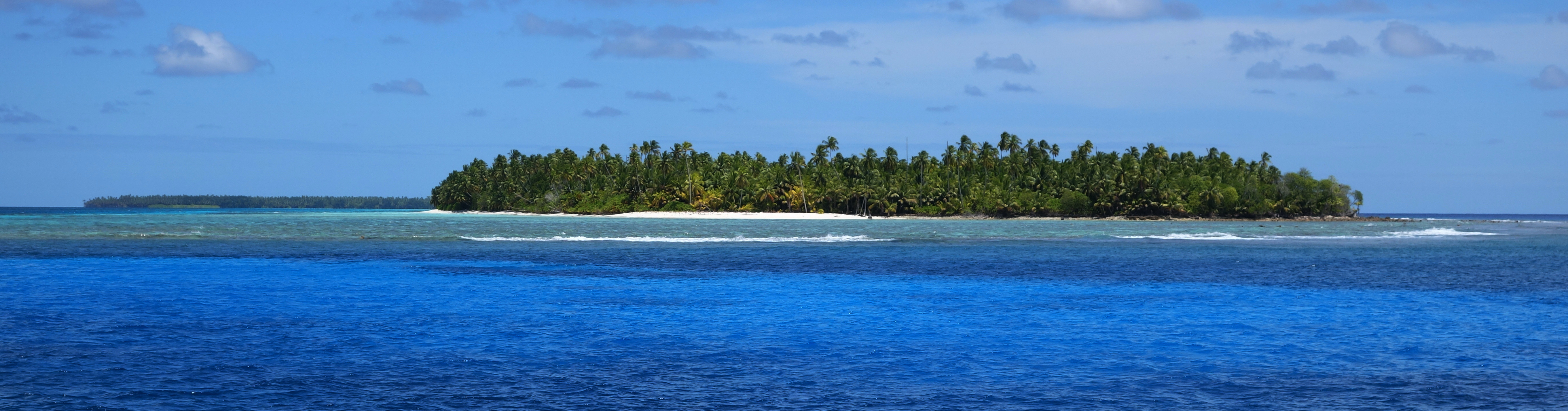
Invasive introductions
When the archipelago was first discovered in the 1700s, humans introduced invasive species including rats, and cleared native forest and vegetation for infrastructure and coconut plantations.
Although coconut farming stopped in the 1970s, rats still remain on every previously farmed island.
Our plan
By managing these abandoned coconut plantations and eradicating the rats, our aim is to allow a more natural, seabird-driven ecosystem to regenerate.
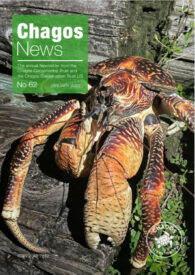
This will result in healthier islands and coral reefs, as well as creating a refuge for native species such as the iconic coconut crab and red-footed booby.
How does it work?
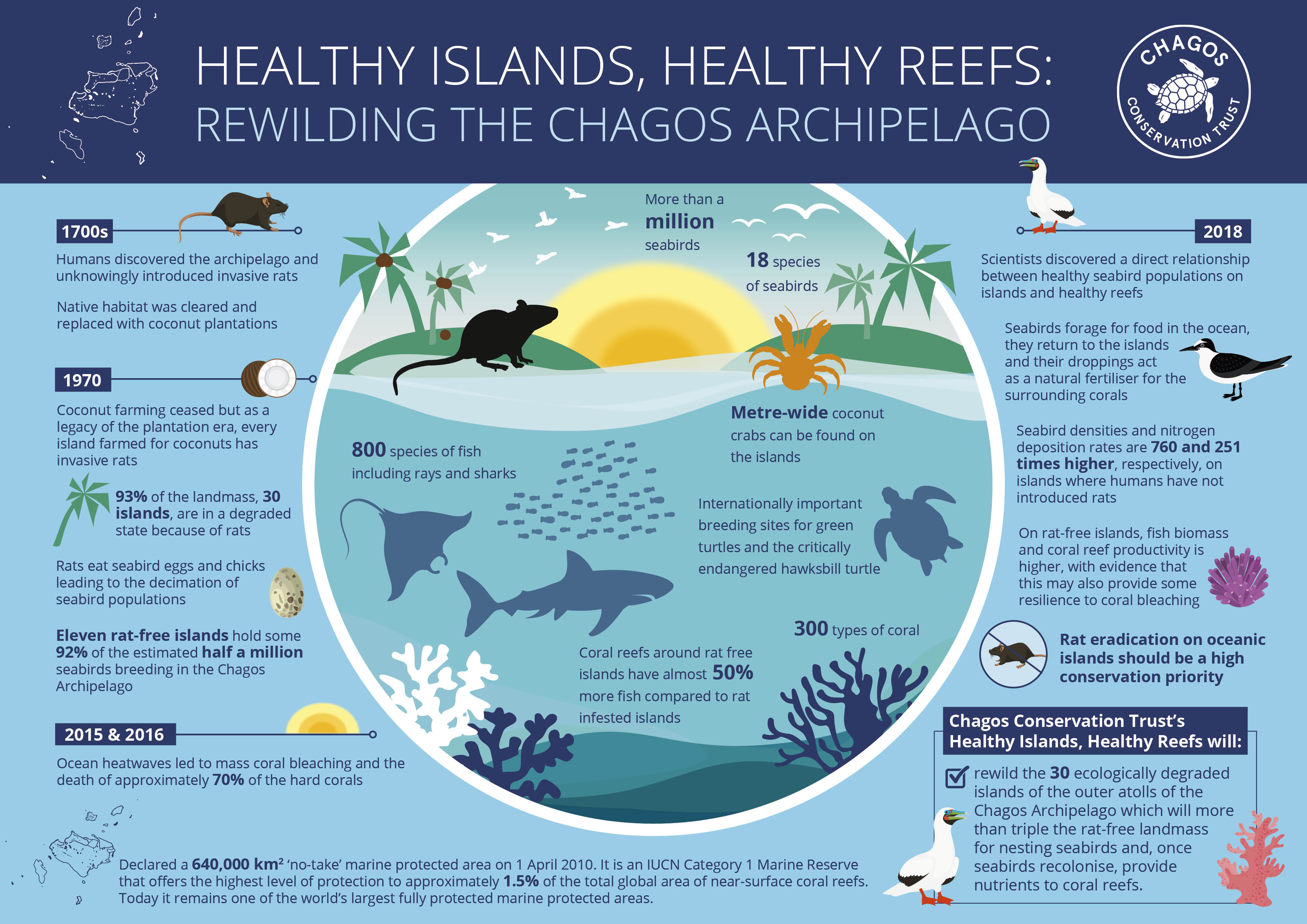
In 2018, scientists from the Bertarelli Programme in Marine Science discovered a direct link between healthy seabird populations on the islands and the health of the surrounding coral reefs.
This is because seabird droppings act as a natural fertiliser for nearby corals reefs. But when rats are present, this relationship breaks down because they decimate seabird populations by eating eggs and chicks, and destroying native plants.
Rodent removal
By removing invasive rat populations on the islands, the ecosystems and their many inhabitants can have the chance to fully flourish. There’s even evidence that with these extra nutrients, thriving and productive reefs may gain some resilience to coral bleaching – one of the biggest threats to the survival of reefs around the world.
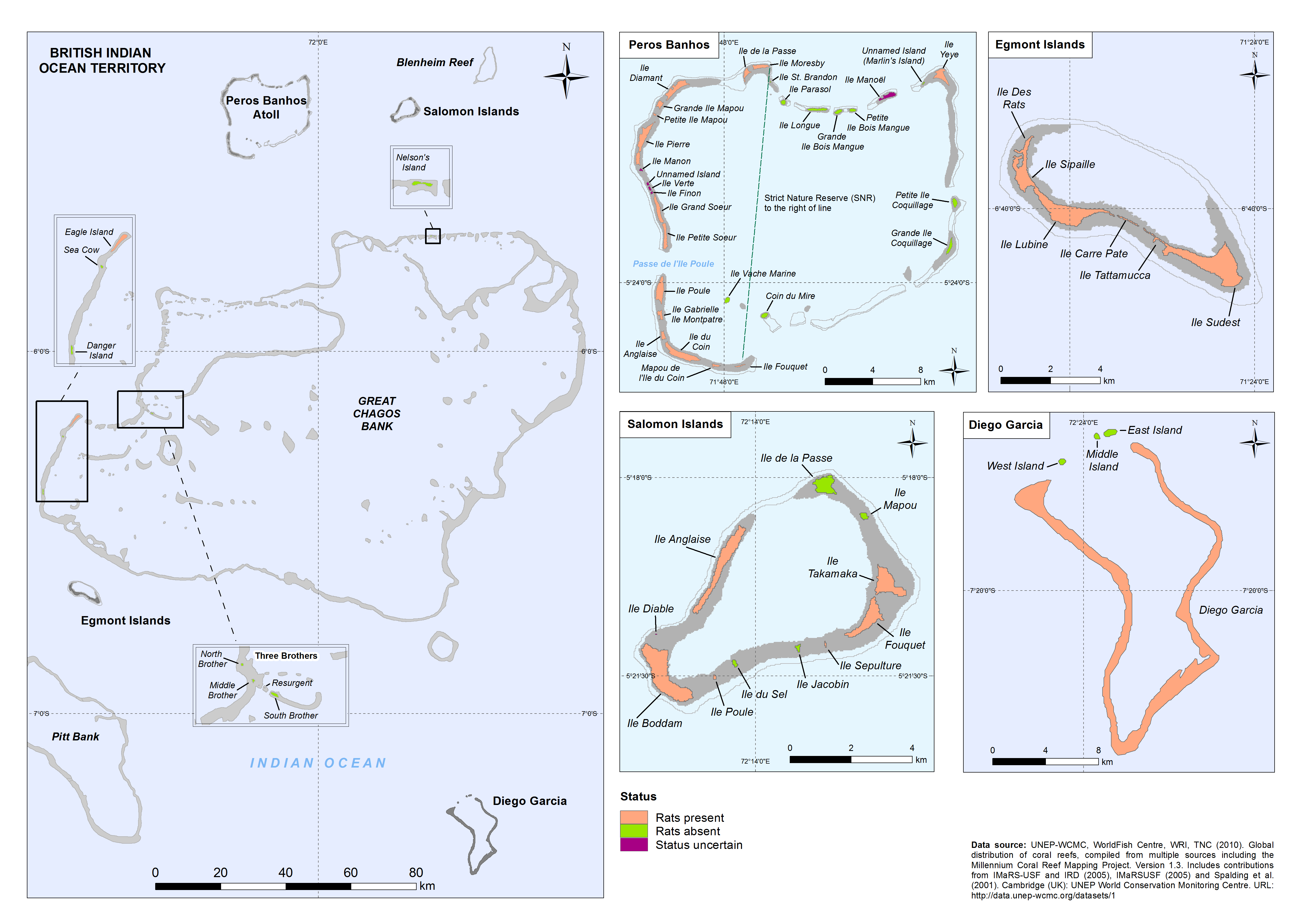
Currently, the 11 rat-free islands in the archipelago making up just 7% of the Chagos Islands’ landmass, but they are home to over 90% of its estimated half a million breeding seabirds. By clearing these 30 degraded islands, we can help supercharge the biodiversity of the archipelago’s reefs, building their resilience.
© Julia Thorley, CCT, Biodiversity Restoration Ltd
An essential lifeline
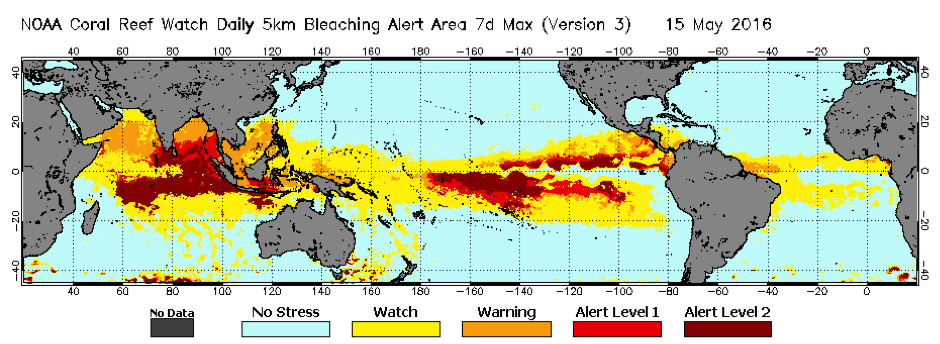
Over the past decade, the archipelago has seen two significant episodes of coral bleaching due to extreme sea temperatures, resulting in high levels of coral death and a reduction in how well the reefs function.
With the frequency of warming events predicted to increase, rat removal is an essential lifeline for the future of the Chagos Archipelago’s coral reefs – and their greatest hope in the face of climate change.
© NOAA Coral Watch
Stages and steps
Healthy Islands, Healthy Reefs is a long-term programme now currently being actioned thanks to CCT being awarded nearly £1million in Darwin funding in 2025 (programme updates can be found in both the News section and Chagos News articles). This Implementation Stage comes after many years of hard work.
During the first Preparation Stage, we self-funded a feasibility study that included an Environmental Impact Assessment. This helped to determine the most efficient method for eradicating rats from the Chagos Archipelago’s outer islands.
Then followed a three year Research and Development Stage which:
- Built a team of rewilding experts that will prepare for the Healthy Islands, Healthy Reefs implementation phase, which will eradicate rats from 30 islands and enable the restoration of native habitat;
- Researched the knowledge gaps identified during the feasibility study;
- Investigated new technologies to help monitor biodiversity recovery, and ensure rats do not recolonise the islands;
- Spread the word about how important the Chagos Archipelago is, and why it is so important to help save some of the world’s most diverse coral reefs;
- Secured funding to enable the rat eradication and rewilding programme to be implemented,
Support our work
Together, with your support, we will secure the future of the Chagos Archipelago. We’re looking for
donors and investors to make this vision a reality and secure the future of this unique and
spectacular ecosystem.
If you would like to get involved, please contact CCT’s Director, Sarah Puntan-Galea.
Proof of concept – a small but significant success!
Ile Vache Marine is a small island in the Chagos Archipelago, within the eastern Peros Banhos Strict
Nature Reserve. It lies amidst six islands that are classified as IUCN Important Bird and Biodiversity
Areas, designated for their breeding seabird populations.
Unlike its neighbouring islands, Ile Vache Marine was rat-infested and had very few breeding
seabirds. In 2014 CCT conducted an invasive rat eradication operation as part of the Ile Vache
Marine Restoration Project.
The island was officially declared rat-free in 2017, using the internationally recognised guidelines,
and has since seen the return of native flora and fauna. This was the first successful rat eradication
operation on an island in the archipelago, providing proof of concept and forming the basis of CCT’s
Healthy Islands, Healthy Reefs programme.